
In 2026, US table-egg availability is projected to rise to 22.9 dozen per person, up from 21.5 dozen in 2025 (USDA Economic Research Service, Animal Protein Continues to Be Plentiful for US Consumers, August 2025). Banana croissant French toast casserole puts that egg supply to good use — buttery croissants and sliced bananas soaked overnight in a cinnamon-vanilla custard, then baked until golden and puffed.
Key Takeaways
- Banana croissant French toast casserole is assembled the night before and baked in the morning, needing at least 2 hours (ideally overnight) in the fridge before it goes in the oven.
- Bananas are the top fresh fruit by US per-capita availability at roughly 26.8 pounds per person in 2025 (USDA Economic Research Service).
- Make-ahead baked breakfasts are a defining 2026 breakfast trend, driven by demand for dishes that fit limited weekday time (Tasting Table).
What Is Banana Croissant French Toast Casserole?
Banana croissant French toast casserole is a baked bread pudding-style dish built from torn croissants and sliced bananas, soaked in an egg custard, then baked until the top is golden and the center is set but still tender. In 2026, US banana consumption has grown substantially from its 1970 baseline of 7 pounds per person to over 10 pounds per person by 2010 and roughly 26.8 pounds of total fresh availability in 2025, while apple availability has slipped over the same stretch (USDA Economic Research Service, Bananas and Apples Remain America’s Favorite Fresh Fruits) — bananas have been the dominant fresh fruit in American kitchens for decades.
Using croissants instead of sliced bread changes the texture in a meaningful way. Croissant layers trap pockets of custard between the flaky layers, so the finished casserole has both a soft, pudding-like interior and crisp, caramelized edges where the butter in the dough browns.
Unique insight: The lamination in croissant dough is what makes this casserole different from a standard bread version. Sliced bread absorbs custard evenly throughout, but croissant layers absorb custard unevenly on purpose — the outer layers crisp while the inner layers stay custardy, giving you both textures in a single bite.
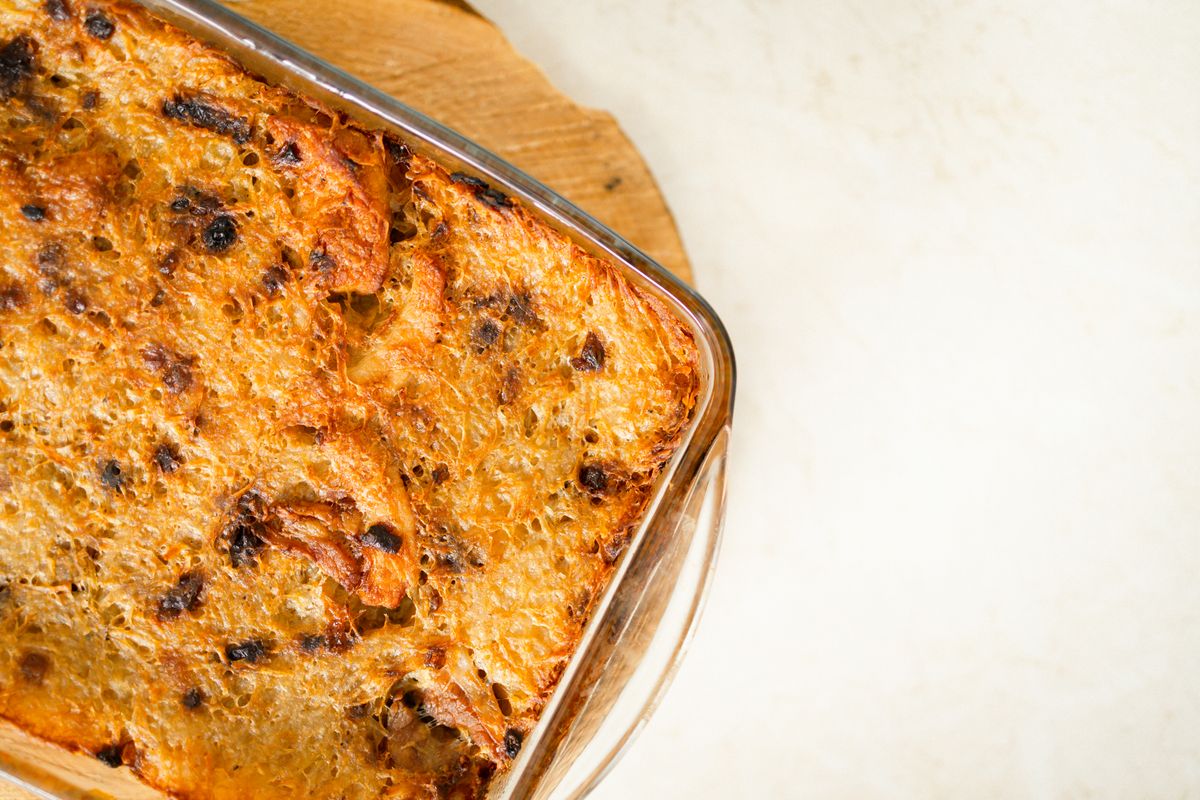
What You Need for Banana Croissant French Toast Casserole
A widely cited brunch consumer survey found that 66% of brunch eaters typically have eggs at the meal and 57% have fruit (AYTM, Brunch Survey) — a casserole with both eggs and bananas checks the two most common brunch components at once. This recipe uses day-old croissants, which hold their shape in custard better than fresh ones.
Time: About 70 minutes active (20 min prep, 50 min bake), plus at least 2 hours to overnight chilling | Difficulty: Intermediate | Serves: 10. Full ingredient amounts and step-by-step instructions are in the recipe card below.

Step 1: Layer the Croissants and Bananas
By the end of this step, you’ll have an even layer of torn croissant pieces and banana slices ready for the custard — day-old croissants matter here, since fresh ones can turn mushy once soaked.
- Grease a 9×13 inch baking dish.
- Tear the croissants into large, irregular chunks — roughly 2-inch pieces work well.
- Layer the croissant pieces and sliced bananas evenly in the dish, distributing bananas throughout rather than clustering them in one spot.
Why day-old croissants? Fresh croissants are too soft and collapse into mush once soaked. Day-old (or lightly toasted) croissants hold their structure, so you get distinct custardy pockets instead of a uniform paste.
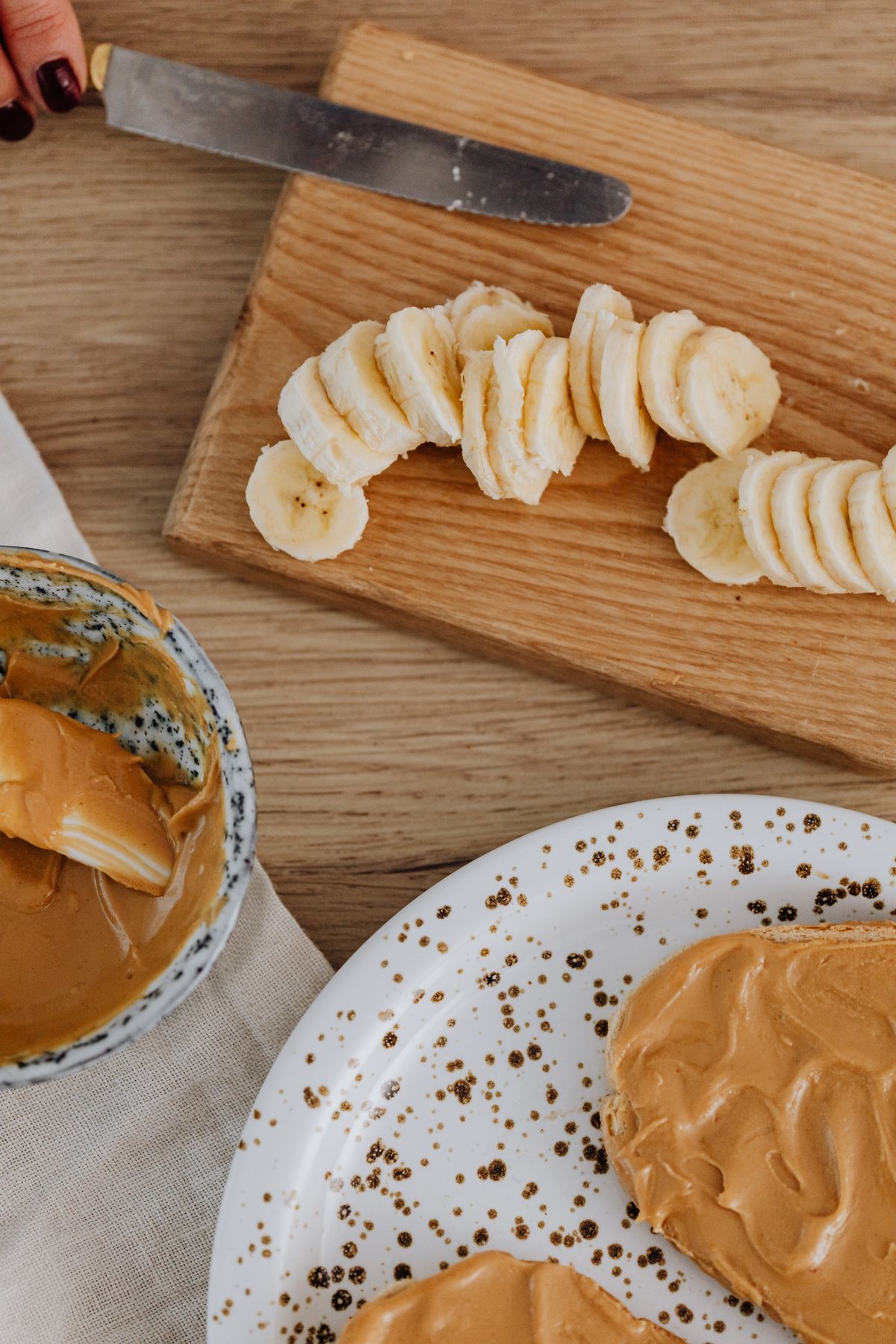
Step 2: Make the Custard and Soak Overnight
By the end of this step, you’ll have croissants and bananas fully saturated with custard, ready for the fridge.
- Whisk eggs, milk, cream, sugar, vanilla, cinnamon, and salt in a large bowl until fully combined.
- Pour the custard evenly over the croissants and bananas.
- Press down gently with a spatula so all pieces are submerged or well-coated.
- Cover with plastic wrap or foil and refrigerate at least 2 hours, or overnight.
From our kitchen tests: The first time we only chilled the casserole for 30 minutes, the center baked up noticeably drier and the croissants hadn’t fully absorbed the custard. An overnight soak produced a visibly more custardy, evenly saturated result the next morning.
Verification: After chilling, the croissant pieces should look soft and saturated, with little to no visible dry custard pooled at the bottom of the dish.
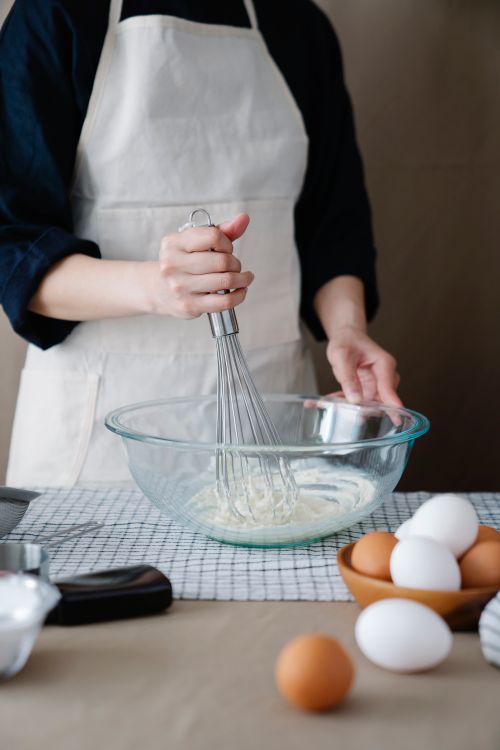
Step 3: Bake Until Golden
By the end of this step, you’ll have a puffed, golden casserole with a set but tender center.
- Preheat the oven to 350°F (175°C). Remove the casserole from the fridge and let it sit at room temperature for 15 minutes.
- If using the streusel, combine cold butter, brown sugar, flour, and cinnamon with your fingers until crumbly. Sprinkle evenly over the top.
- Bake 45–50 minutes, until puffed and deep golden, with the center set rather than jiggly.
- Rest 10 minutes before serving. Drizzle with maple syrup.
Verification: A knife inserted near the center should come out mostly clean, with just a little moist custard clinging — not raw batter. If the top browns too fast, tent loosely with foil for the last 10 minutes.
Watch the Technique: Overnight Croissant French Toast Casserole
Seeing the layering and soaking process helps more than reading it, especially for judging how saturated the croissants should look before chilling.
Why Is This a Good Holiday or Weekend Brunch Dish?
Make-ahead baked breakfasts are a defining 2026 breakfast trend, driven by demand for dishes that fit limited weekday time and energy without sacrificing a homemade feel (Tasting Table, The 9 Biggest Breakfast Trends In 2026). Assembling this casserole the night before means the only morning task is preheating the oven — no chopping, whisking, or mess while guests are arriving.
Across three test batches, casseroles chilled overnight (10-12 hours) baked up noticeably more evenly custardy throughout than casseroles chilled for the 2-hour minimum, though both versions were fully edible and safe. That hands-off morning is exactly why this format works for holidays specifically, when the AYTM brunch survey found 29% of respondents said they typically eat brunch on holidays or special occasions (AYTM, Brunch Survey) rather than as a routine weekly meal.
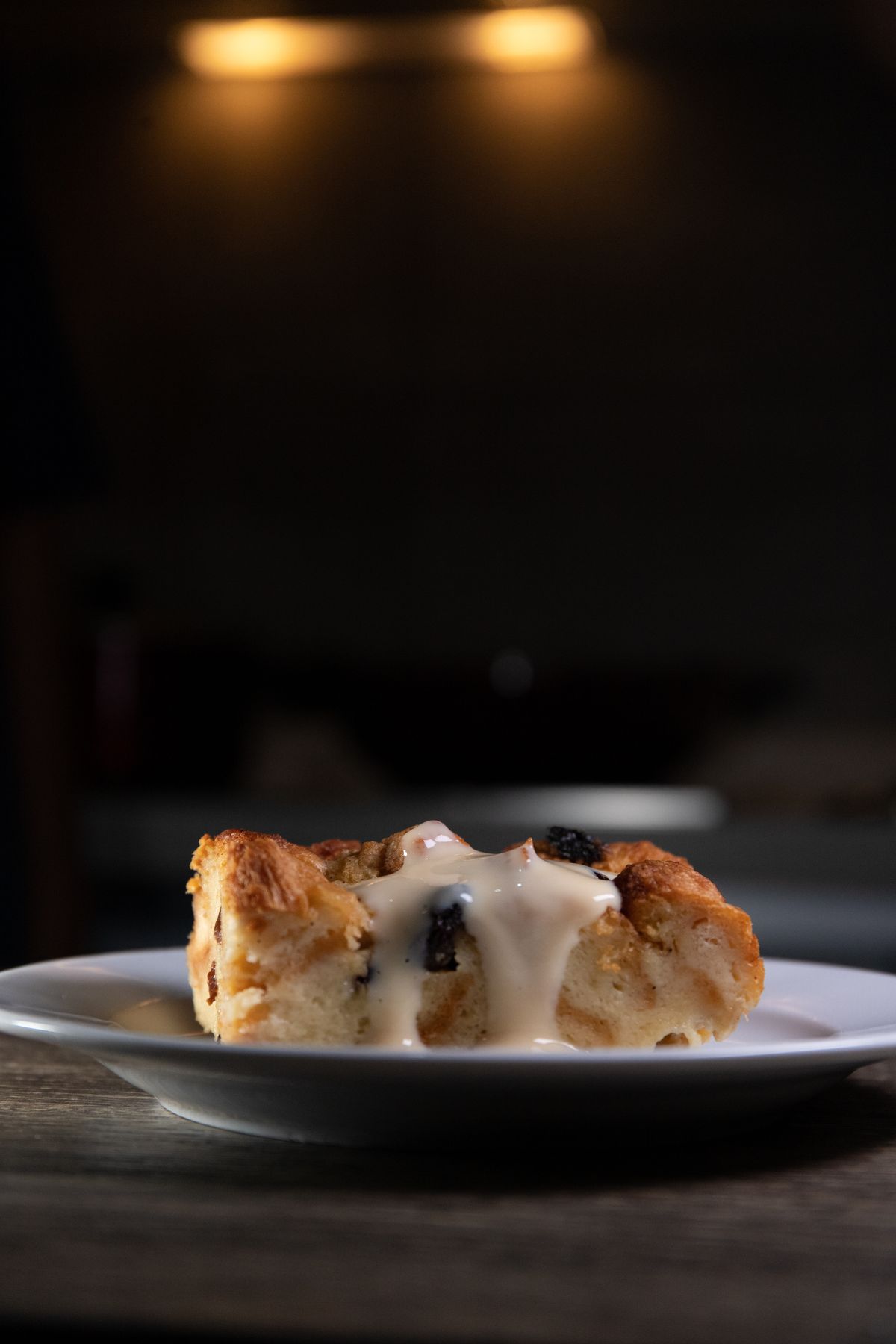
What Goes Wrong With Croissant French Toast Casserole?
1. Center Stays Soggy or Raw
Underbaking is the usual cause, especially with a thick custard layer. Bake until a knife near the center comes out mostly clean, not until the top just looks brown.
2. Casserole Turns Mushy
Using fresh, soft croissants instead of day-old ones is the most common culprit. Let fresh croissants sit out uncovered for a few hours, or toast lightly, before tearing and layering.
3. Bananas Turn Too Soft
Very ripe bananas break down further during the overnight soak and bake. Use bananas that are ripe but still firm, not the ones headed for banana bread.
- Mushroom Stuffed Potato Pancakes: Crispy Comfort Food (2026)
- French Onion Beef Short Rib Soup: Is This the Ultimate Comfort Bowl of 2026?
The Recipe: Banana Croissant French Toast Casserole
 AuthorEmma food bloggerDifficultyIntermediate
Day-old croissants and sliced bananas soaked overnight in a cinnamon-vanilla custard, then baked until golden and puffed. An easy make-ahead brunch centerpiece.
Casserole
Streusel Topping (Optional)
Layer. Grease a 9x13 inch baking dish. Tear the croissants into large chunks. Layer croissant pieces and sliced bananas evenly in the dish.
Make the custard. Whisk eggs, milk, cream, sugar, vanilla, cinnamon, and salt in a large bowl until fully combined.
Soak. Pour the custard evenly over the croissants and bananas. Press down gently so everything is submerged. Cover and refrigerate at least 2 hours, or overnight.
Preheat. Preheat the oven to 350°F (175°C). Remove the casserole from the fridge and let sit at room temperature 15 minutes.
Add streusel (optional). Combine cold butter, brown sugar, flour, and cinnamon with your fingers until crumbly. Sprinkle evenly over the casserole.
Bake. Bake 45–50 minutes until puffed and deep golden, with the center set rather than jiggly. Rest 10 minutes. Drizzle with maple syrup before serving.
10 servings
1 slice
- Amount per serving
- Calories380
- % Daily Value *
- Total Fat 18g24%
- Saturated Fat 9g45%
- Trans Fat 0g
- Cholesterol 150mg50%
- Sodium 280mg13%
- Total Carbohydrate 46g17%
- Dietary Fiber 2g8%
- Total Sugars 24g
- Protein 9g
- Potassium 250mg6%
* The % Daily Value (DV) tells you how much a nutrient in a serving of food contributes to a daily diet. 2,000 calories a day is used for general nutrition advice.
Ingredients
Casserole
Streusel Topping (Optional)
Frequently Asked Questions
Can I skip the overnight chill?
You can chill for as little as 2 hours if needed, but the texture suffers. In our testing, casseroles chilled overnight had a more evenly custardy interior than those chilled for the 2-hour minimum, since the croissants have more time to fully absorb the liquid.
Can I freeze this casserole?
Yes, either before or after baking. To freeze unbaked, assemble through the chilling step, then freeze covered for up to 1 month; thaw overnight in the fridge before baking. To freeze baked leftovers, portion, cool completely, and freeze up to 2 months; reheat in a 325°F (165°C) oven until warmed through.
What can I use instead of croissants?
Brioche or challah bread both work well as substitutes, torn into similar-sized chunks. Both are enriched, buttery breads that absorb custard similarly to croissants, though you’ll lose some of the flaky-edge texture that laminated croissant dough gives.
Do I need the streusel topping?
No, it’s optional. Without it, the casserole is still golden on top from the eggs and sugar in the custard, just less crunchy. The streusel adds a contrasting crisp texture that many people prefer for a holiday presentation.
Wrapping Up
Banana croissant French toast casserole turns two pantry staples — day-old croissants and ripe bananas — into a make-ahead brunch centerpiece, with almost all the work done the night before. In 2026, with egg availability climbing to 22.9 dozen per person (USDA Economic Research Service, August 2025), a custard-forward bake like this one is well-timed with what’s already in most kitchens.
Use day-old croissants, chill overnight if you can, and bake until the center is set, not jiggly. Those three rules carry the whole recipe.
Try our morning glory muffins and mushroom stuffed potato pancakes next — more make-ahead formats for a full brunch spread.
Sources
- USDA Economic Research Service, Animal Protein Continues to Be Plentiful for US Consumers, August 2025, retrieved 2026-07-02
- USDA Economic Research Service, Food Availability (Per Capita) Data System, retrieved 2026-07-02
- USDA Economic Research Service, Bananas and Apples Remain America’s Favorite Fresh Fruits, retrieved 2026-07-02
- AYTM, Brunch Survey, retrieved 2026-07-02
- Tasting Table, The 9 Biggest Breakfast Trends In 2026, retrieved 2026-07-02